
Vacuum sealing has become one of the most effective ways to keep food fresh longer, reduce waste, and save money — but online, especially on Reddit, people still have a lot of questions.
In this complete guide, we break down the 10 most common questions people ask about vacuum sealing, how it works, what you can (and can’t) seal, and how to get the best results every time.
1. How long does vacuum-sealed food really last?
This is the most searched and most asked question — for good reason.
Removing the air slows down oxidation, mold growth, and moisture loss, which keeps food fresh up to 5× longer.
Here’s a simple reference chart:
Fridge (Vacuum-Sealed)
-
Fresh meat: 6–10 days
-
Fresh fish: 3–7 days
-
Cooked meals: 7–14 days
-
Fresh vegetables: 7–10 days
-
Cheese: 4–8 weeks
-
Fruit: 5–8 days
Freezer (Vacuum-Sealed)
-
Meat & poultry: 1–3 years
-
Fish: 1–2 years
-
Vegetables: 1–2 years
-
Fruits: 1–2 years
-
Prepared meals: 1 year
Vacuum sealing does not replace refrigeration or freezing, but it massively extends how long food stays fresh.
2. Is a vacuum sealer actually worth the money?
yes — if you use it even a few times a week.
Here’s why people say it pays for itself fast:
-
You stop throwing away spoiled food
-
Leftovers stay usable longer
-
Bulk shopping becomes safe and easy
-
Freezer burn is almost completely eliminated
-
Meal prep becomes effortless
Most households save $30–$60 per month, meaning the device pays for itself within a few weeks.
3. What foods can I vacuum seal — and what should I avoid?
✔ Foods you can vacuum seal:
-
Meat, fish, poultry
-
Cooked meals & leftovers
-
Veggies (raw or cooked)
-
Fruits (whole or cut)
-
Cheese
-
Coffee beans
-
Nuts & seeds
-
Rice, pasta, beans
-
Snacks, chips, crackers
-
Bread (freeze first for better results)
✘ Foods you should not vacuum seal:
These foods are high in moisture and can promote anaerobic bacteria if stored at room temp:
-
Fresh garlic
-
Fresh onions (unless frozen)
-
Soft cheeses
-
Mushrooms
-
Hot food (must cool first)
All are safe to vacuum-seal — as long as they go into the fridge or freezer, not the pantry.
4. Why is my vacuum bag NOT sealing properly?
This is one of the most frustrating issues people mention online.
Common causes:
-
Moisture or fat on the sealing edge
-
Bag is overfilled
-
Cheap, thin bags
-
A wrinkle caught in the seal
-
Hot food creating steam
-
Bag too large for the pump
Solution:
Dry the edge → leave 3–4 cm of space → flatten the top of the bag → try again.
For liquids, freeze first for 30–60 minutes.
5. Can I reuse vacuum bags? Is it safe?
Yes — as long as the previous food wasn’t (You can wash it very good and then use again, dishwasher works):
-
Raw meat
-
Raw fish
-
Anything oily or greasy
For dry or cooked foods, reuse is perfectly safe:
-
Snacks
-
Rice, pasta, beans
-
Vegetables
-
Bread
-
Cooked meals
-
Fruit
Just wash with warm soapy water, air-dry, and reuse.
6. Can I seal liquids — soups, sauces, stews?
Absolutely — but here’s the trick Reddit recommends:
Freeze the liquid first.
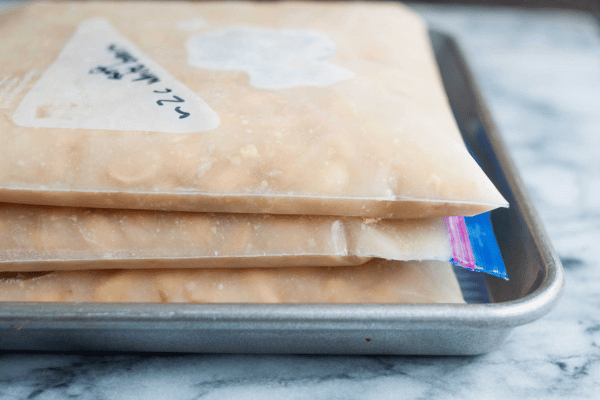
Pour the food into the bag → freeze for 1–2 hours → then vacuum seal.
This prevents liquid from getting sucked into the machine.
For your Chef Preserve Vacuum Sealer, this method works perfectly.
7. Does vacuum sealing prevent bacteria or just slow it down?
Important:
Vacuum sealing does NOT kill bacteria.
What it does:
-
Removes oxygen
-
Slows microbial growth
-
Delays spoilage
-
Keeps food safe longer
What it does NOT do:
-
“Sterilize” the food
-
Replace refrigeration
-
Kill dangerous bacteria
Bottom line:
Vacuum-sealed food still needs a fridge or freezer — it just lasts much longer there.
8. Why does my vacuum-sealed meat sometimes turn brown?
Short answer: it’s normal.
When meat is in low-oxygen conditions, it loses its bright red color and turns:
-
Deep red
-
Purple
-
Brownish
This does not mean it’s spoiled.
Bad signs are:
-
Smell
-
Sticky texture
-
Sliminess
Color alone is not an indicator of freshness.
9. Can I vacuum seal hot food?
No.
Let it cool first.
Why?
-
Steam prevents a proper seal
-
Moisture weakens the seam
-
Hot food can grow bacteria before cooling
-
You risk condensation inside the bag
Always cool food for 15–30 minutes first.
10. Can vacuum sealing stop freezer burn completely?
Almost — yes.
Freezer burn happens when:
-
Cold air hits the food
-
Moisture evaporates
-
Crystals form on the surface
Vacuum sealing removes the air and protects the food, so:
-
No crystals
-
No dehydration
-
No rubbery texture
-
Flavor stays locked in
For most people, this is the #1 reason they buy a sealer.
Conclusion
Vacuum sealing is one of the simplest ways to:
-
Save money
-
Reduce waste
-
Keep food fresh 5× longer
-
Protect food in the freezer
-
Meal prep efficiently
-
Store all kinds of food safely
If you’ve been unsure about how vacuum sealing works or what you can seal — now you know.